Operationalising and Communicating Value - Manchester Global Executive MBA
Every organisation makes promises to its customers. Marketing writes them, and operations has to keep them. When the two functions drift apart, a campaign promises a delivery time the supply chain cannot meet, or a process becomes so efficient that customers feel processed. That gap is the subject of Operationalising and Communicating Value, a core course on the Manchester Global Executive MBA at Alliance Manchester Business School (AMBS). A recent cohort, which included professionals from PwC, Airbus, AMD and Apple in Southeast Asia, spent four days in the classroom working through it.
What the course covers
The course combines two disciplines that usually sit in separate departments: marketing and operations management. The programme treats both as central to how organisations create value. Participants study how the two functions support each other, and where they compete for the same resources.
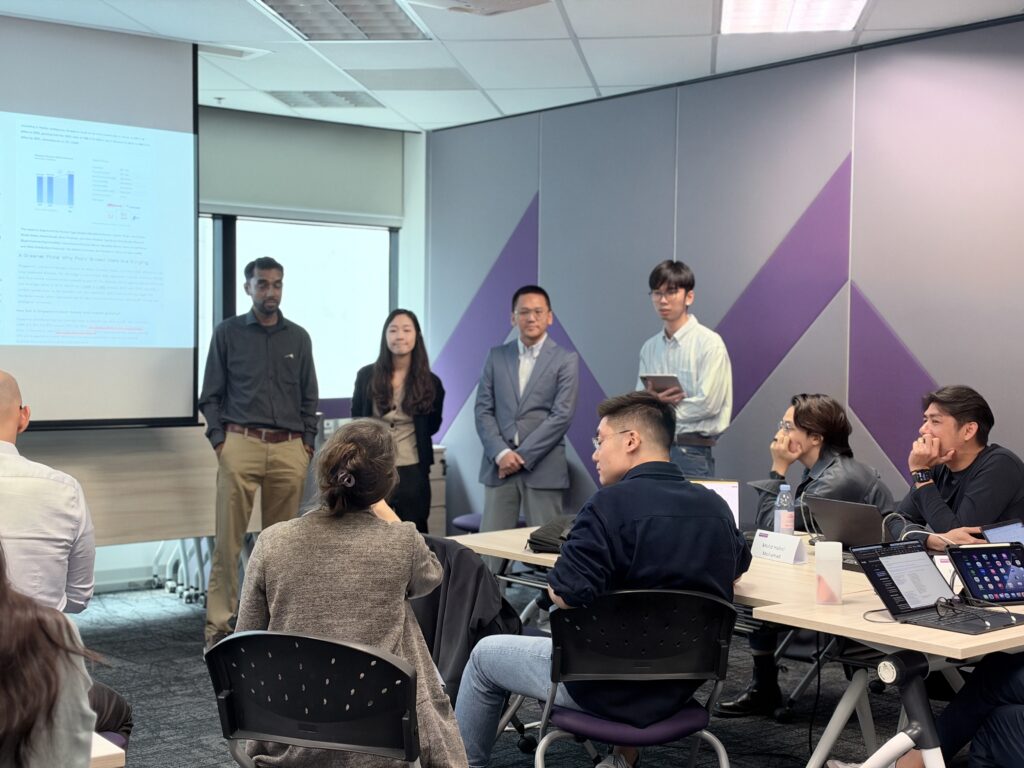
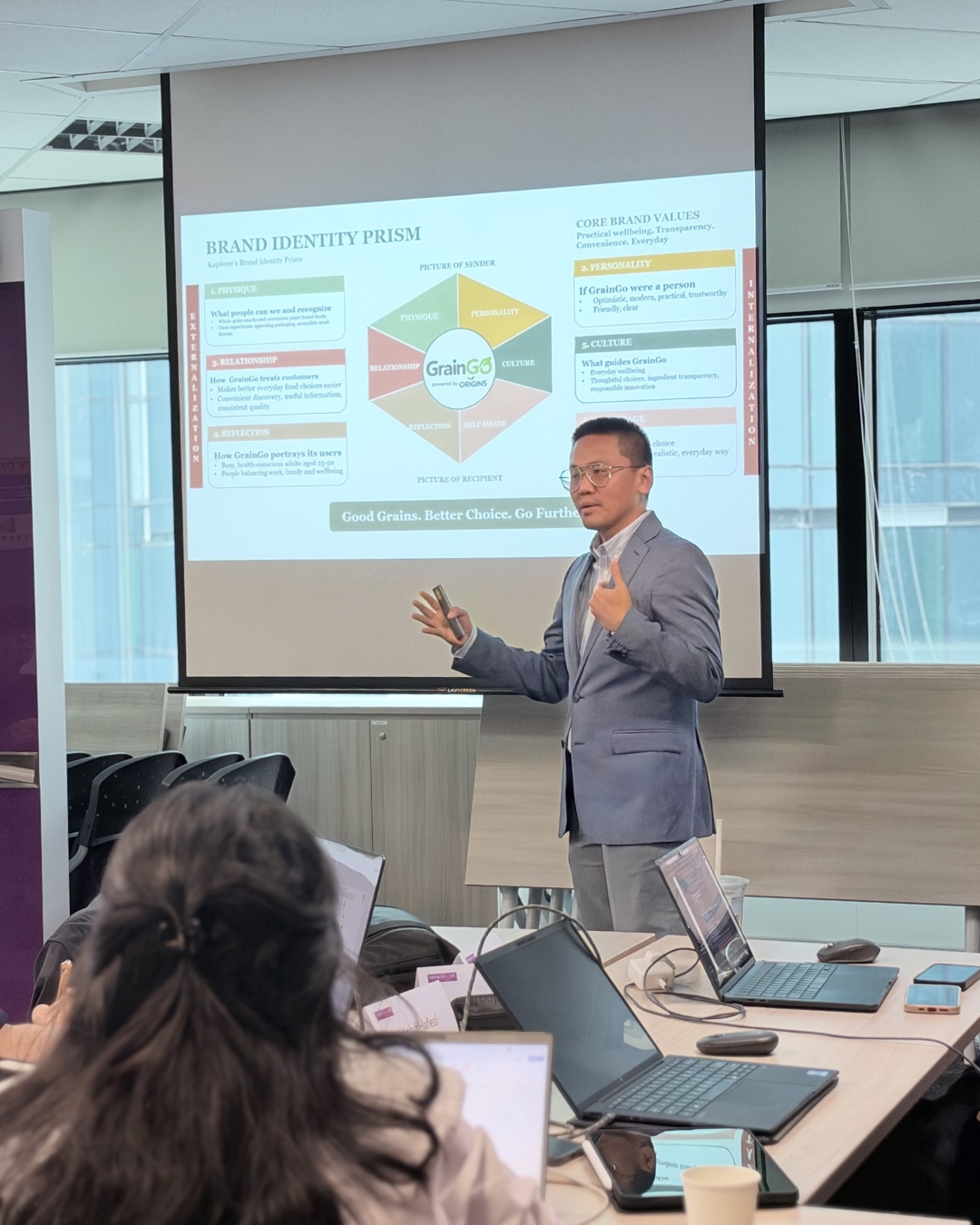
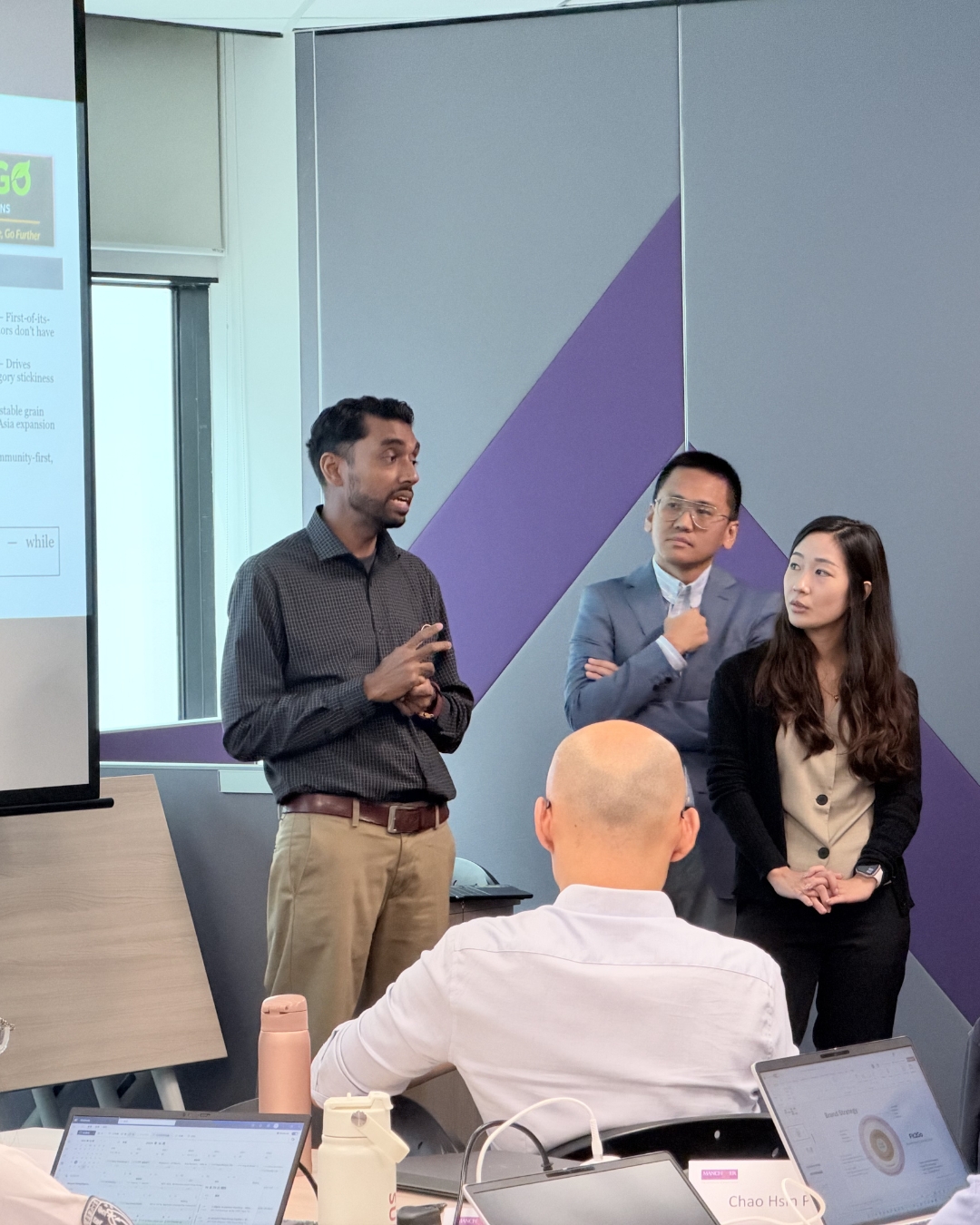
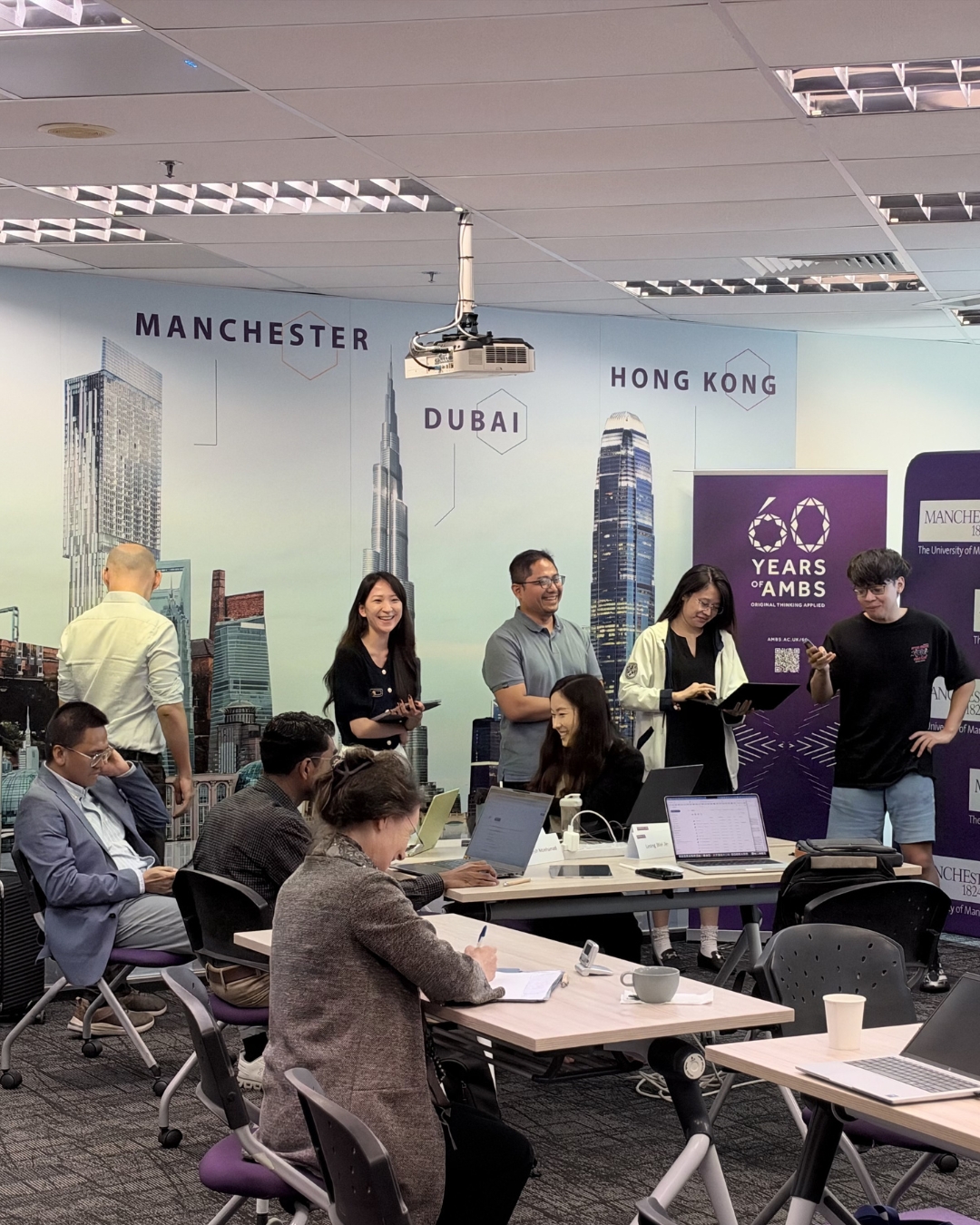
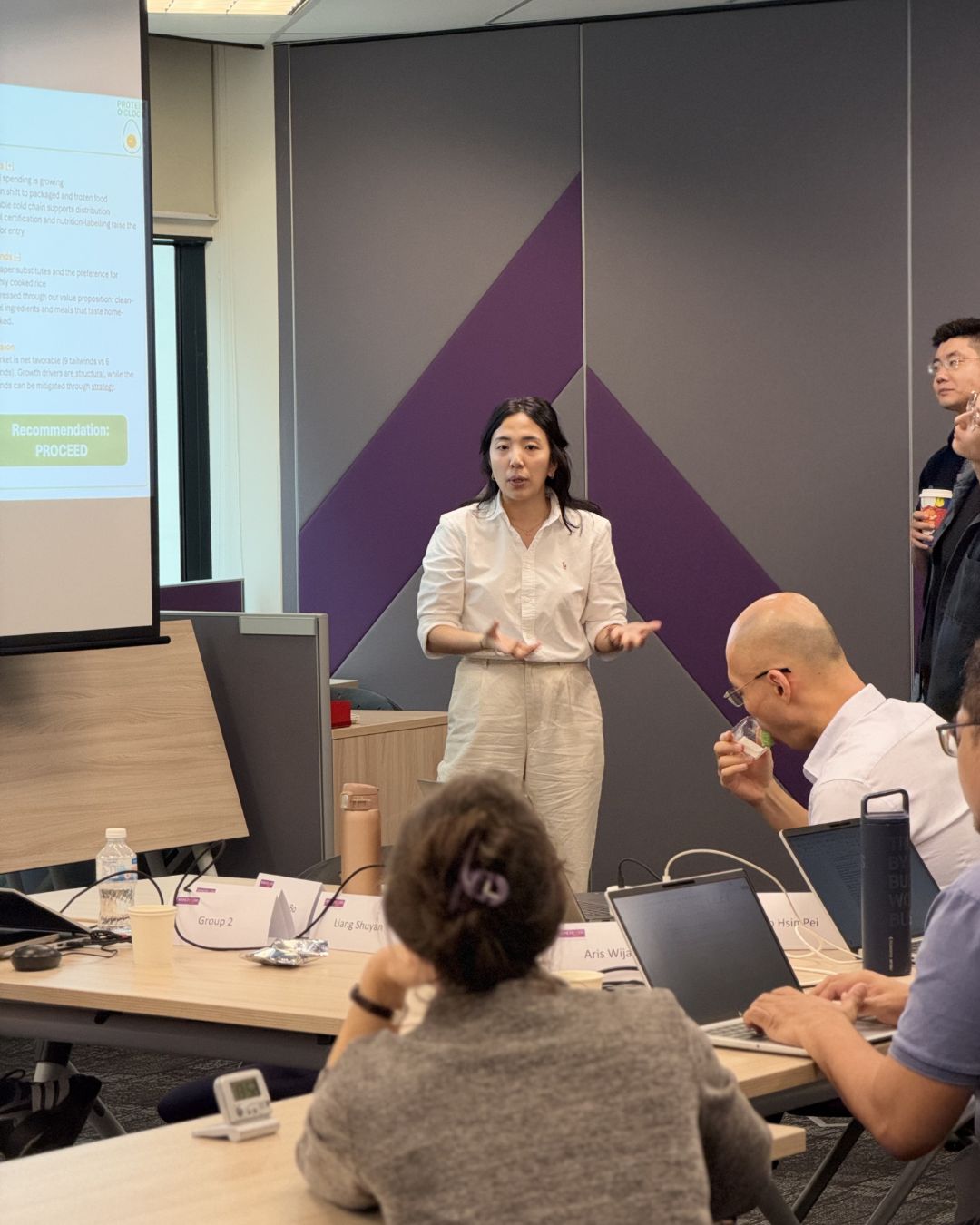
It is delivered through a 4-day in-person workshop alongside online learning. Sessions mix theory, practical application and real business scenarios. Participants analyse customer needs, design and deliver operations to meet them, and practise communicating that value to key stakeholders. Much of the work is collaborative, with teams developing solutions to marketing and operations challenges.
Students leave the course with five capabilities:
• Strategic integration of marketing and operations in real business contexts • Data-driven decision making, using market research, customer insight and operational data to shape strategic options • Skill-set development in the tools and techniques behind both disciplines • Critical thinking, evaluating current marketing and operations theory with rigorous analysis • Practical application, judging which theories fit which business scenarios
Who Leads It
Dr Alison Ashton
Course Unit Director
Alliance Manchester Business School
The course is directed by Dr Alison Ashton, Course Unit Director, who specialises in services marketing, with a focus on service quality and service relationships. She teaches across AMBS undergraduate, postgraduate and Executive Education programmes, including the Global MBA. Before and alongside academia, she founded and ran her own businesses and consulted for organisations in corporate banking, local government, healthcare and the creative industries.
A cohort that mirrors the problem
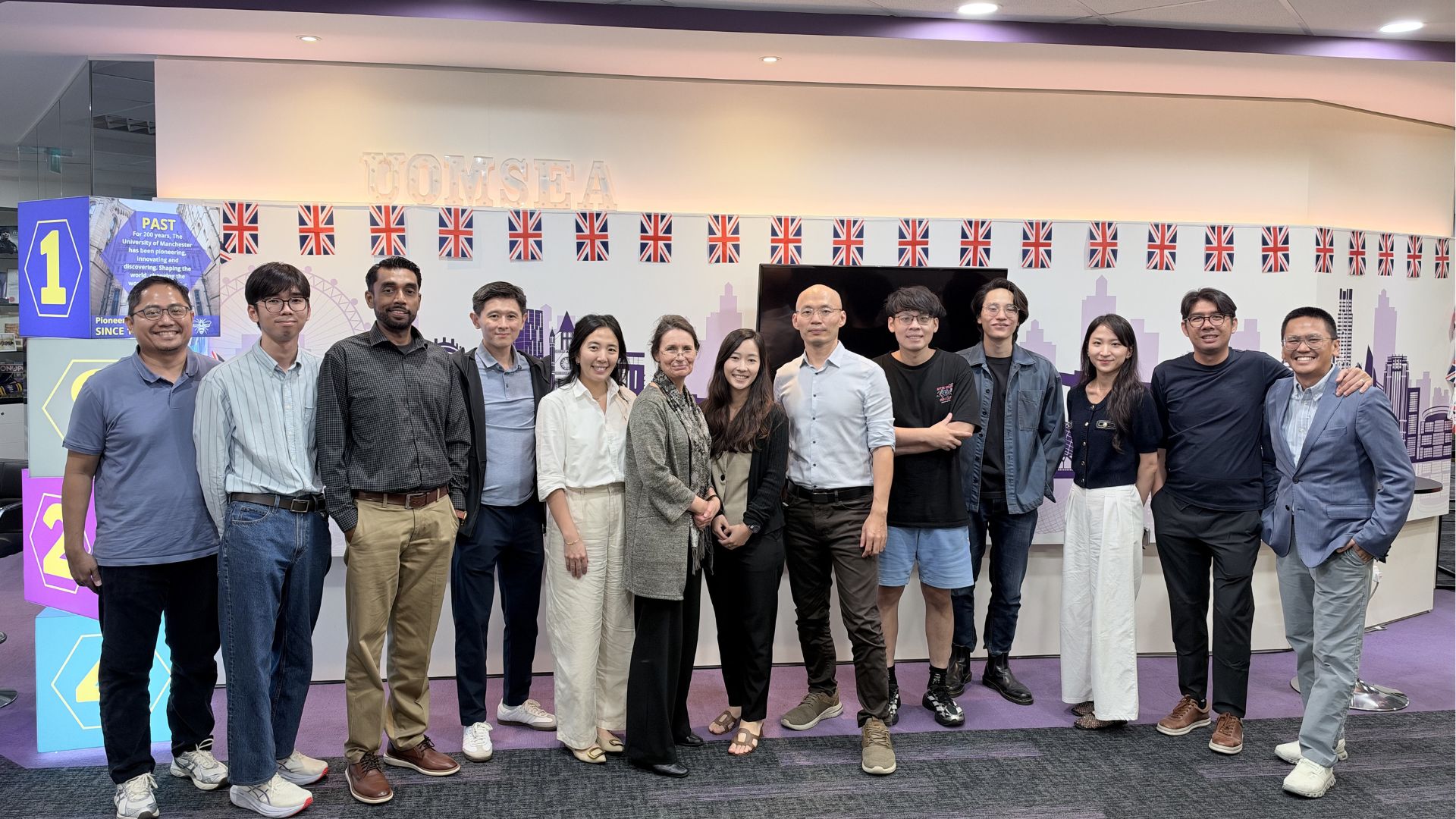
The Manchester Global Executive MBA is built for senior professionals who keep working while they study. This cohort brought together people from PwC, Airbus and Apple’s Southeast Asia business, among others.
Those organisations sit at very different points on the marketing and operations spectrum. In professional services, the people are the product, so delivery quality and brand reputation are hard to separate. In aerospace manufacturing, supply chains are long and unforgiving, and an operational slip can take years to recover from. In consumer technology, the customer promise and the delivery experience are tightly controlled, down to the retail floor.
That range gives the course’s central question real weight. How far should marketing push a promise before operations can back it? A consultant, an engineer and a retail operator are likely to answer differently, and each brings evidence from their own industry.
Five themes for leaders
1. Marketing and operations compete for the same resources. The two functions share a goal on paper and a budget in practice. A promise that wins customers can add cost and complexity downstream. Leaders need to choose deliberately which trade-offs the business will carry.
2. Value has to be designed before it can be communicated. If operations cannot deliver what the message says, sharper messaging only speeds up customer disappointment. The sequence runs from customer need, to operational capability, to the story told about it.
3. Evidence should settle the debate. The course pushes participants to combine market research, customer insight and operational data before choosing a strategic option. In rooms full of experienced executives, the most confident opinion often wins by default.
4. Frameworks have limits. Participants are asked to evaluate current marketing and operations thinking critically and test whether each theory fits the scenario in front of them. A model built for an aircraft programme may mislead a consulting engagement, and the reverse holds too.
5. Internal stakeholders matter as much as customers. Communicating value to finance, the board and frontline teams is often where sound strategies stall.
The question that remains
The course leaves participants with one test to apply before any initiative goes live: can the organisation deliver this promise at scale, at this cost, every time?
When the answer is no, neither function can fix it alone. It becomes a value problem, and it needs marketing and operations working from the same plan.
Participants finish the course with a working command of core marketing and operations theory, and of how to align the two, so they can build strategies that hold up across very different business contexts.
Get in touch.
Wish to enquire about admissions, syllabus, or anything else?
QS Rankings success for Global Executive MBA We are proud to share that our Global Executive MBA Programme has been recognised in the 𝗤𝗦 𝗚𝗹𝗼𝗯𝗮𝗹 𝗘𝗠𝗕𝗔 𝗥𝗮𝗻𝗸𝗶𝗻𝗴𝘀 for the very first time,…
Critical Core Skills Series: Master Feedback and… At the South East Asia Centre, we're passionate about creating opportunities for our students and alumni to build practical, real-world skills that drive career success.…